After a month at Die Mas, we were ready to move again. Slowing down had been good for us, but this next stretch felt like a big one. Not just because of the distance, but because of where we were heading.
Kruger.
From the very beginning, one of our biggest bucket-list plans was to spend a full month inside Kruger National Park. We had both been before, but we had never stayed inside the park together. It was one of the first things we spoke about when we started planning the trip, and now it was finally within reach.
First, though, we had one serious drive ahead of us.
We left Die Mas at about 3am, which is how we like to do big travel days, especially when towing. Most of the distance gets done in the cool of the morning, and if something goes wrong, we still have daylight to sort it out instead of heading into the night.
The drive to Witklipfontein Eco Lodge took about 13 hours, stops included. By now we knew towing with our setup was never going to be effortless. We were pulling an old Sprite Swift of around a ton with a 1.5L Renault Duster, so the car worked hard, especially in the heat. We couldn't even really run the aircon, because the car needed all the help it could get.
Nothing major went wrong, but it was long, slow and tiring. The mood in the car was still good though. We were excited to see Warrick's brother, and with every kilometre, Kruger was getting closer.
Witklipfontein Eco Lodge
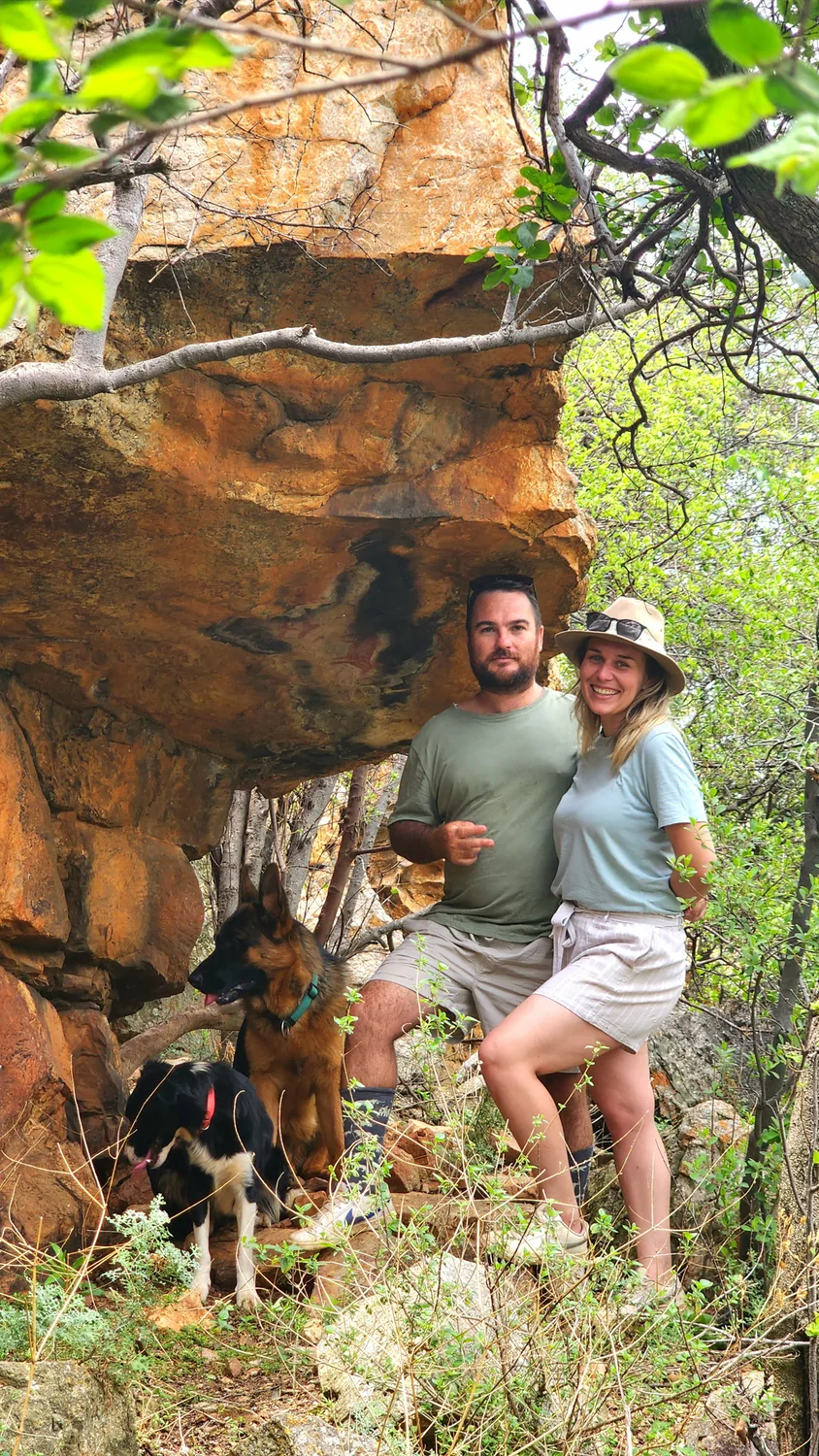
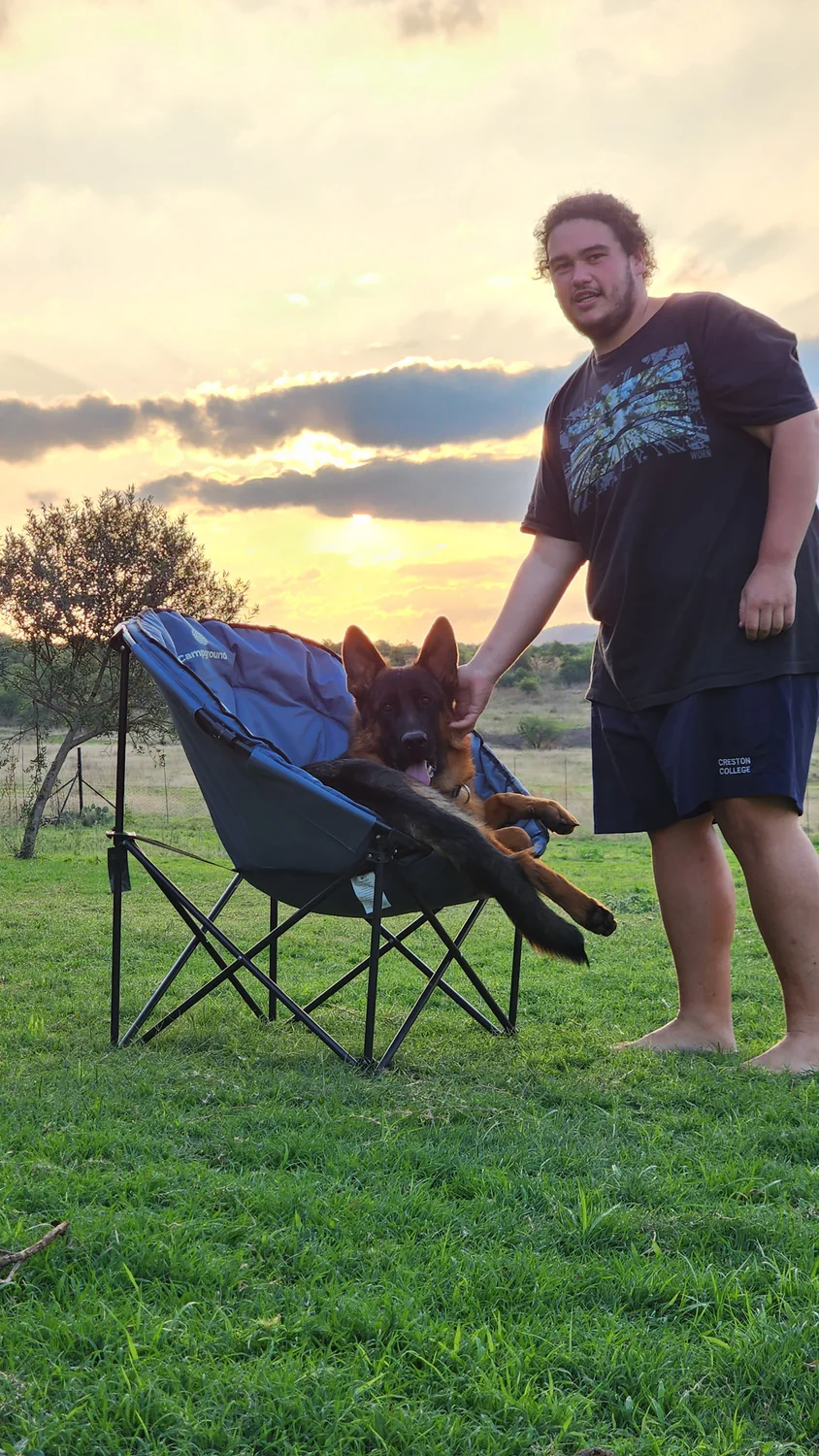
By the time we pulled into Witklipfontein, we were properly tired, but it felt good to be there. Warrick's brother Darryn and his girlfriend Kelle were living there and managing the lodge, so it was a chance to see family, pause for a bit and sleep in an actual house.
That alone felt like a small luxury.
We love the caravan and what it lets us do, but it's still work. Setting up, packing down, keeping things clean, fighting dust, fixing small things and living in a tiny space all takes energy. After the Kakamas and Augrabies dust, parking it for a few days and staying in the farmhouse was exactly what we needed.
Witklipfontein had that proper farm feeling. Cattle, dogs, chickens, ducks, sable, springbok and other game all around, a world away from where we'd just been. Darryn and Kelle were busy running the lodge, but it was such a lifestyle-type place that we still got plenty of time together.
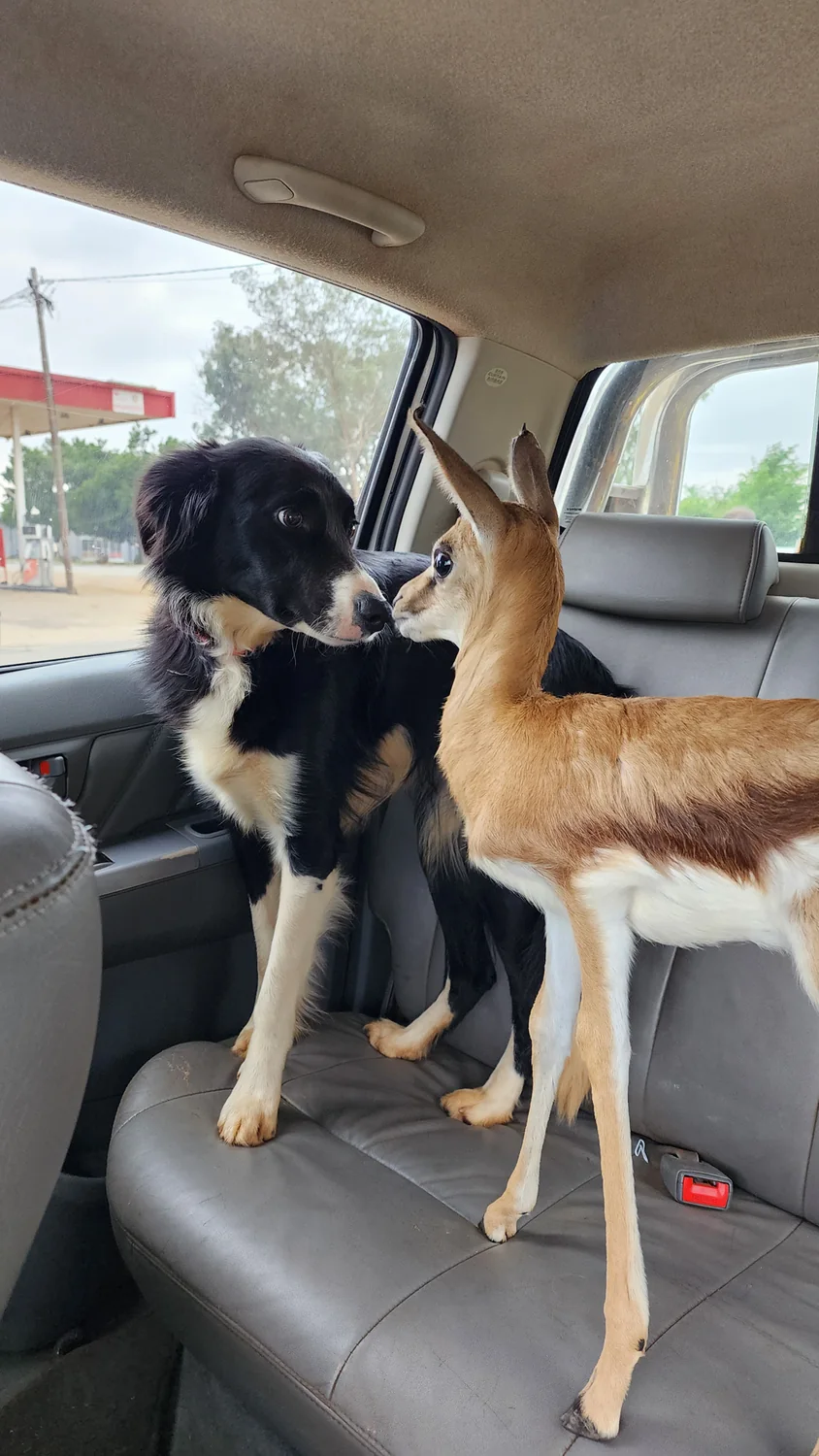
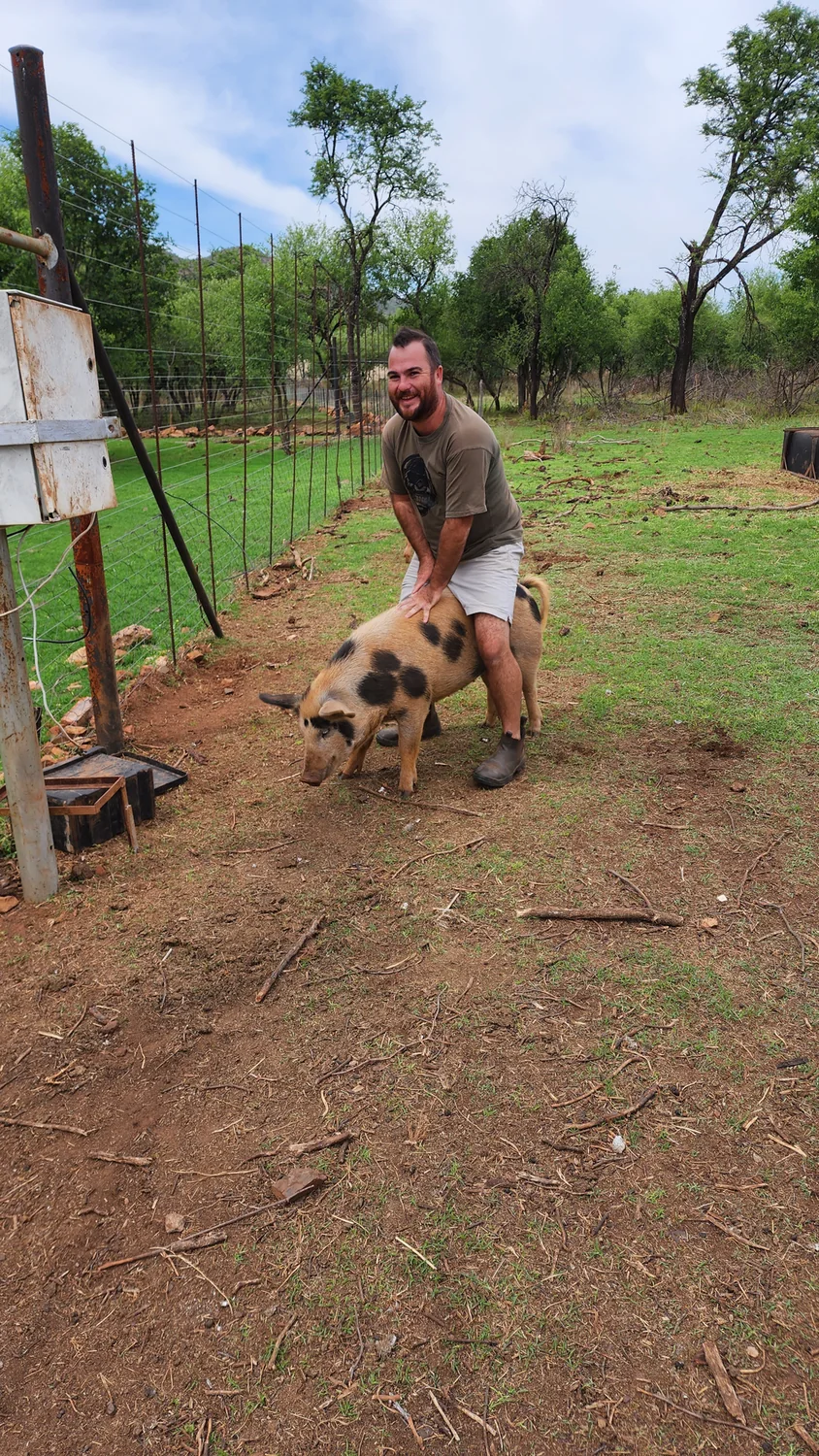
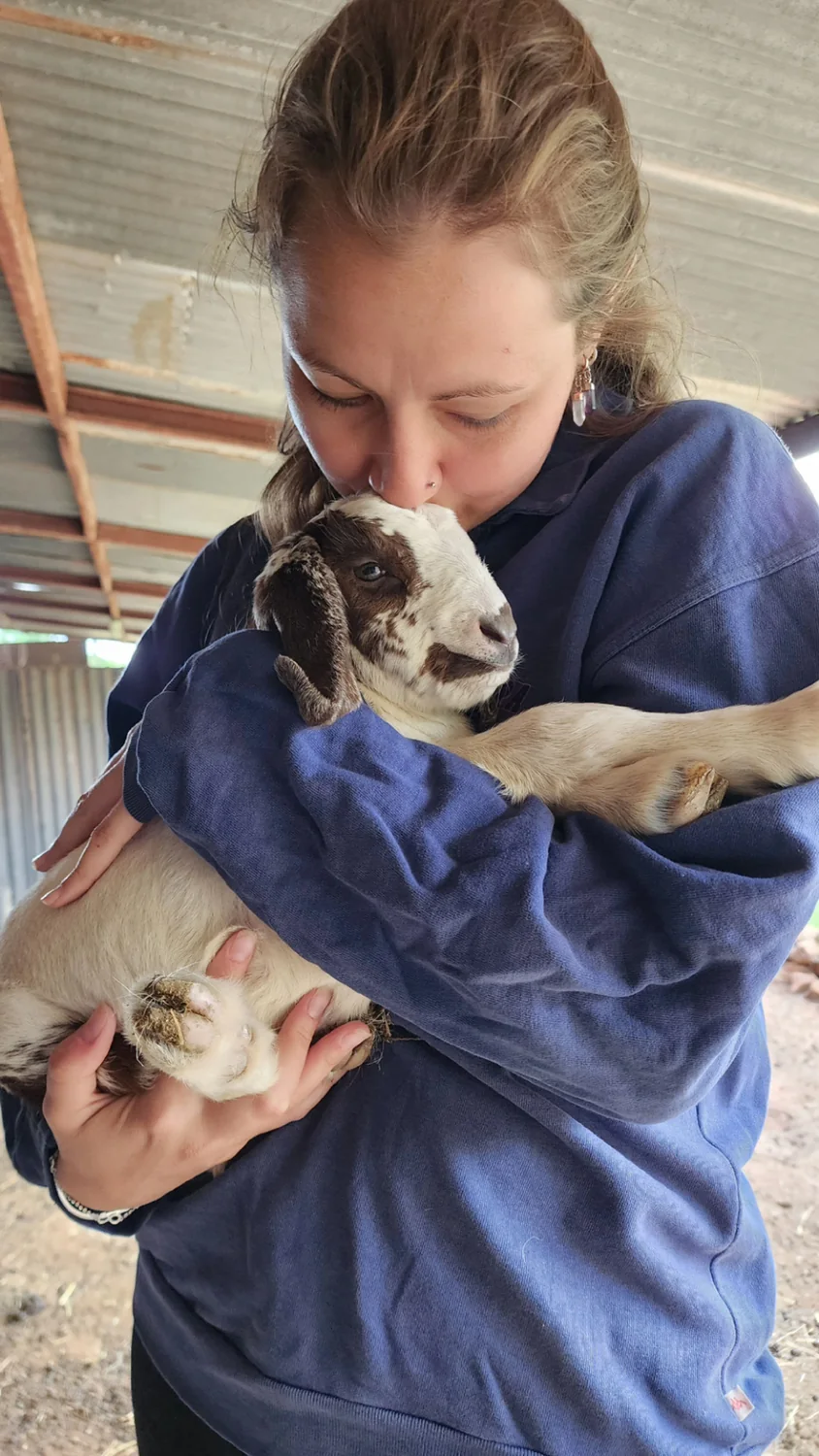
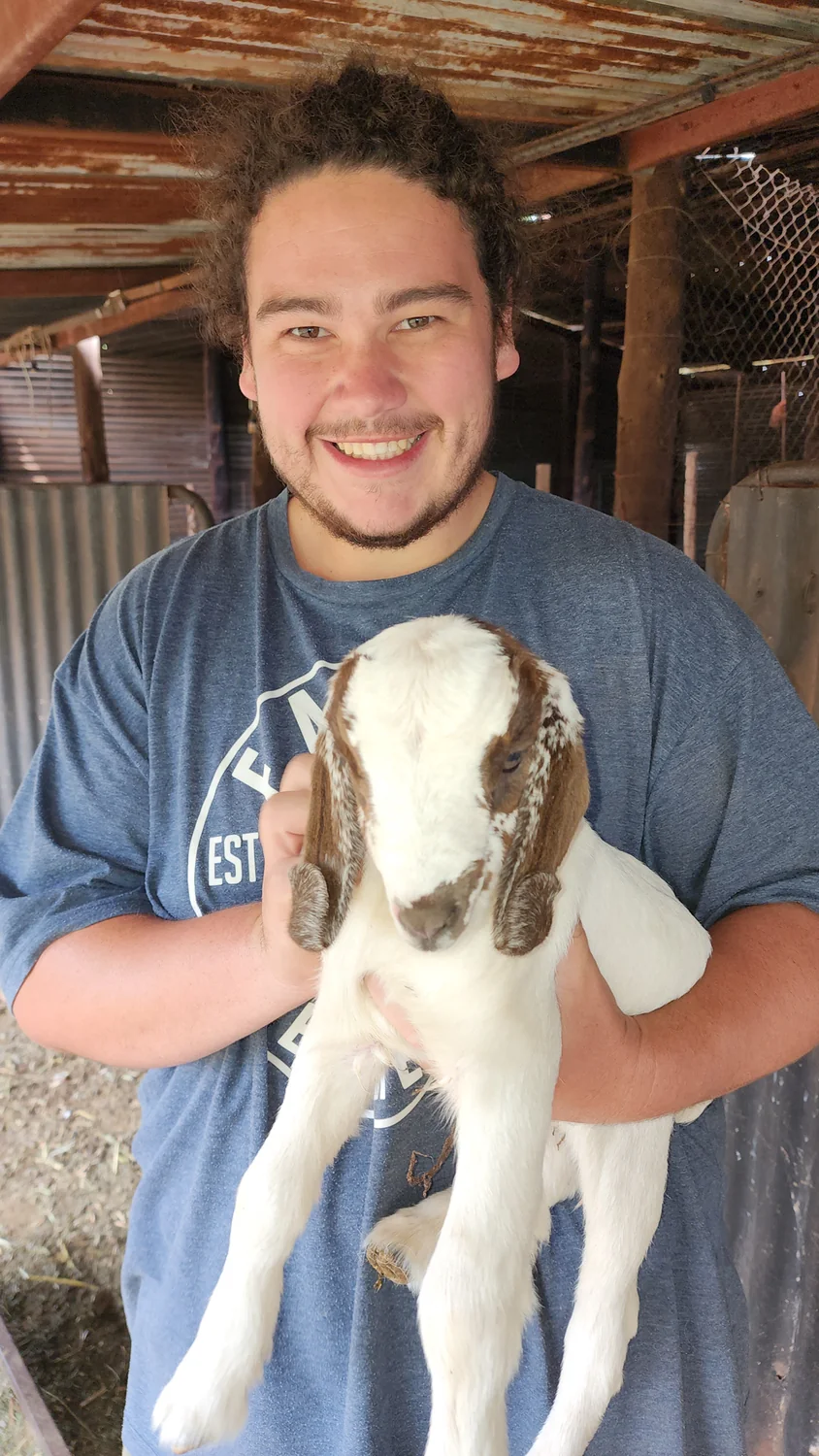
One of our favourite memories from that stop was holding and bottle-feeding a baby springbok and warthog. It was also just fun being on a farm for a while, doing things we hadn't been doing on the road, like walking the property, spending time with the animals and even shooting a shotgun.
We stayed about a week, and it was a proper reset. We didn't do much exploring. This stop was about resting, catching up, sorting out a few caravan bits and getting ready for the next big chapter.
Because by now, Kruger was all we could think about.
Berg-en-Dal
From Witklipfontein, we headed straight for Kruger and drove in through Malelane Gate.
Driving into the park with the caravan felt a bit surreal. We had spoken about this month for so long, and now it was actually happening. A whole month inside the park. No rushing in for a weekend, no squeezing everything into a few days. We were going to work our way from the south all the way to the north and take in as much as we could.
Our first camp was Berg-en-Dal, and it became our favourite almost immediately. It had the perfect mix of campsite atmosphere, bush feeling and incredible wildlife.
And Kruger spoiled us from the start. Leopard near the fence. Wild dogs taking down a bushbuck right in front of us. Lions, elephants, rhinos, buffalo and more than we could have hoped for.
We also set ourselves a proper goal: drive every road in Kruger.
That took a lot of planning. Most nights we sat in camp with the map open, checking which roads we'd done, which ones were still left, how far we could realistically drive the next day, and how to make it all work without completely burning ourselves out.
Living Inside Kruger
When you stay inside Kruger for a month, it stops feeling like a wildlife trip and starts becoming everyday life.
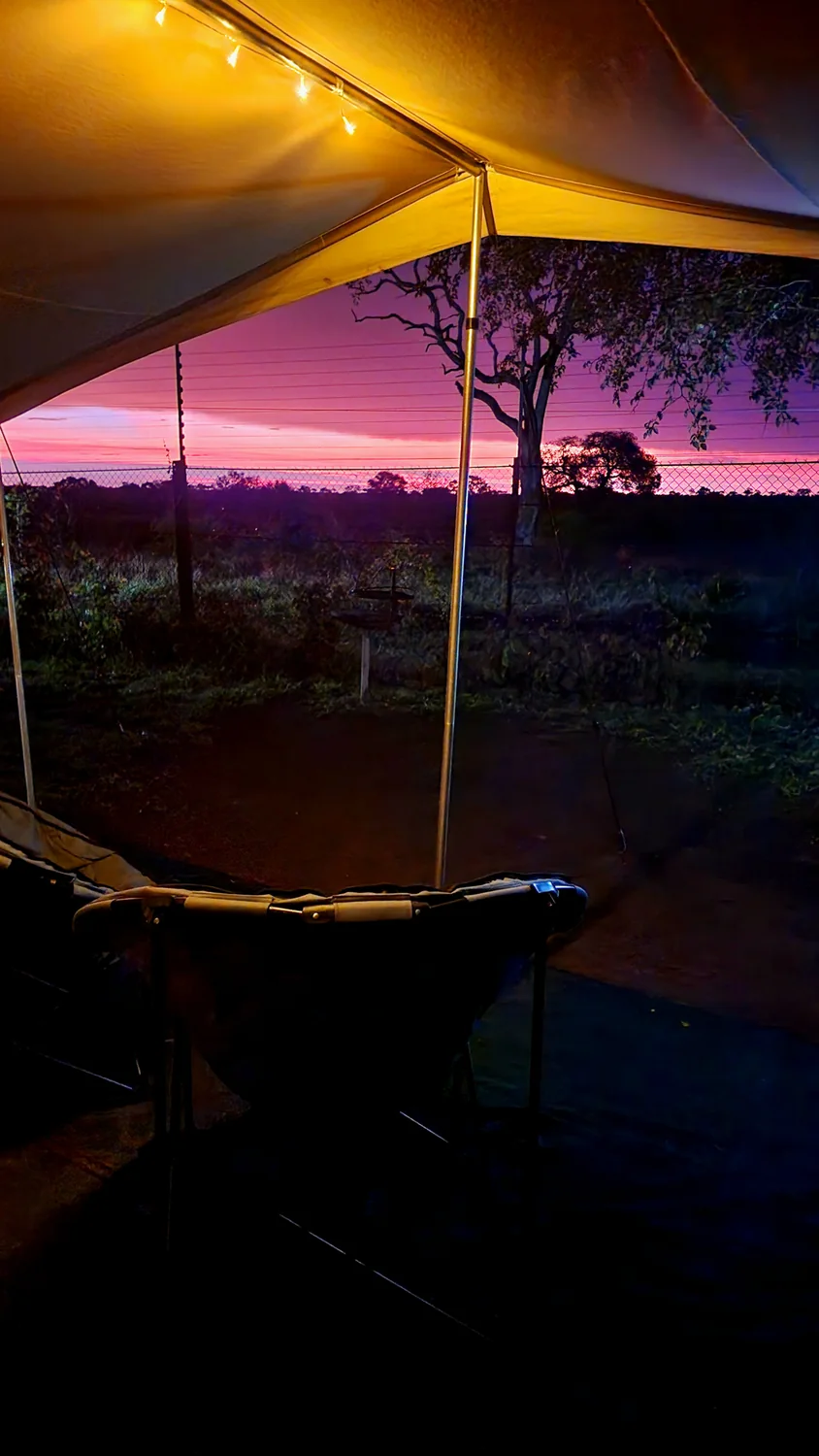
You wake up early because the park wakes up early. Before long, you're falling asleep with the sun and waking up with it, and that rhythm just becomes normal. Mornings are for coffee, packing the cameras, checking the map and getting out while it's still cool. Evenings are for cooking outside, listening to the bush settle and chatting about everything you saw that day.
You learn the small things fast.
Bright lights attract bugs, so you stop cooking under your strongest light and switch to candlelight or something softer. You learn to keep things packed away, work around the heat, accept dust as part of life, and not panic every time something is slightly inconvenient.
That was one of the best lessons for us.
There's not much that's actually worth panicking over. Something goes wrong, you deal with it. Something breaks, you make a plan. It's hot, there are bugs, everything is dusty, the campsite is busy, the road is long. You just keep adapting.
And in between all of that, you're surrounded by the animals you love.
That's what makes it so special. You're not visiting nature for a few hours and then leaving. You're living in it. Cooking outside while hyenas call somewhere in the dark. Drinking coffee while birds move through the trees above you. Sitting at camp, still listening for whatever might be happening beyond the fence.
It's a beautiful way to slow down.
Skukuza
After Berg-en-Dal, we moved up to Skukuza. It's the biggest camp we stayed in and a little busier than we usually like, but it still had a lot going for it. Porcupine moved through the campsite, there were birds everywhere, and some incredible spots were right on our doorstep. Lake Panic and Sunset Dam were both beautiful, those proper sit-and-watch places where you don't need to do anything except let Kruger happen around you.
The south is amazing if you want animals, and there's a reason people love it. It's one of the best areas if you're hoping to see a lot in a short time. But it's also busy. If you don't find the sighting yourself, you can easily end up at a lion or leopard with 10, 20, sometimes even more cars around you. You get the animals, but you also get the traffic.
Satara and the Lions
From Skukuza, we moved to Satara, and Satara was stunning.
We landed one of those campsites you hope for when you pull in. Close to the fence, close to the ablutions and perfectly positioned. We could sit at camp and still feel connected to the bush, with wildlife along the fence line, birds all around and that classic central Kruger feeling that makes you want to be up early and back on the road.
For us, Satara was the perfect middle ground. Great animal potential, but with more space and a quieter feel than the busier southern camps.
Then came one of the craziest sightings of the whole month.
On the road between Satara and Lower Sabie, we came across two massive male lions. The kind of sighting that makes you forget about everything else. We had a perfect little stretch where we could drive slowly alongside them, watching them walk down the road right next to us.
It felt almost unreal while it was happening.
We filmed it and shared it on Instagram without thinking too much of it. But the video took off. Within about a month, it had over a million views, and we'd gained around 10,000 followers.
That changed something for us.
Up until then, our social media was mostly a way to share where we were and what we were seeing. That video showed us that people genuinely loved seeing the wildlife we were lucky enough to spend time with. It gave us a big push to take the filming and photography side more seriously, especially the wildlife.
It wasn't just about showing where we were anymore. It was about sharing the moments we were living in a way other people could enjoy too.
By then, the routine was properly in place. Early drives, work when needed, afternoon drives, map planning, cooking at camp and making the most of every day. It wasn't a normal holiday, and it wasn't normal work life either. It sat somewhere in the middle, and that's exactly what made it special.
Letaba
From Satara, we moved to Letaba. It was beautiful in its own way, but we arrived right in the middle of cicada season, and the noise was crazy. Constant, loud and almost unbelievable at times.
It's one of those things that becomes part of the memory of a place, whether you planned for it or not.
Shingwedzi and Punda Maria
After Letaba, we headed further north to Shingwedzi. A lot of people had hyped it up, but for us it didn't quite land. By then it was proper November heat, and the further north we went, the more intense it got. We still enjoyed it, but it didn't grab us the way Berg-en-Dal or Satara did.
Then came Punda Maria, which felt different again. More open, more remote and properly vast. It was great for birding, there were plenty of elephants around, and the dam in front of the campground was beautiful. It felt like the right place to end our Kruger stretch.
The north is a different experience from the south, and you need to go in with the right mindset. If you want constant sightings, the south is probably your safer bet. If you want a bit of everything, Satara and the central areas are hard to beat. But if you want peace, space, birds, big landscapes and that quiet feeling of being far away from everything, the north is beautiful.
The sightings might be fewer, but it's calmer. The roads feel more open, the landscapes feel bigger, and the bush, trees and hills have their own kind of beauty. It's not about ticking off the next big sighting. Sometimes it's about driving slowly, watching birds, enjoying the silence and letting the place grow on you.
5,352 Kilometres Later
By the time we reached Punda Maria, we had done what we came to do.
We had driven every road in Kruger National Park. That's 5,352 kilometres inside the park and just over R10,000 on diesel.
It was a lot of early mornings, planning, dust, heat, quiet sightings, scanning the bush and nights at camp with the map open. We saw lions, leopards, wild dogs, elephants, rhinos, buffalo, hyenas, antelope, reptiles, birds and everything in between. Kruger gave us more than we expected, and the best part is that we didn't rush it.
We lived inside the park for a month. We moved slowly. We learnt the camps, found our favourite roads, got excited over tiny birds and massive elephants, and planned every day like two people who were completely hooked.
Leaving Punda Maria, we felt content and so grateful that we'd decided to do this properly. This was one of the big reasons we started travelling in the first place. To actually have the time to do something like this, not just talk about doing it one day.
With Kruger behind us and Mapungubwe ahead, it felt like we had ticked off something massive.