This is the stretch where the road stopped feeling like one big adventure and started properly testing us. No signal, two-minute noodles, our first Christmas away from family, and a 2am scramble in the pouring rain.
But first, Mapungubwe.
Mapungubwe
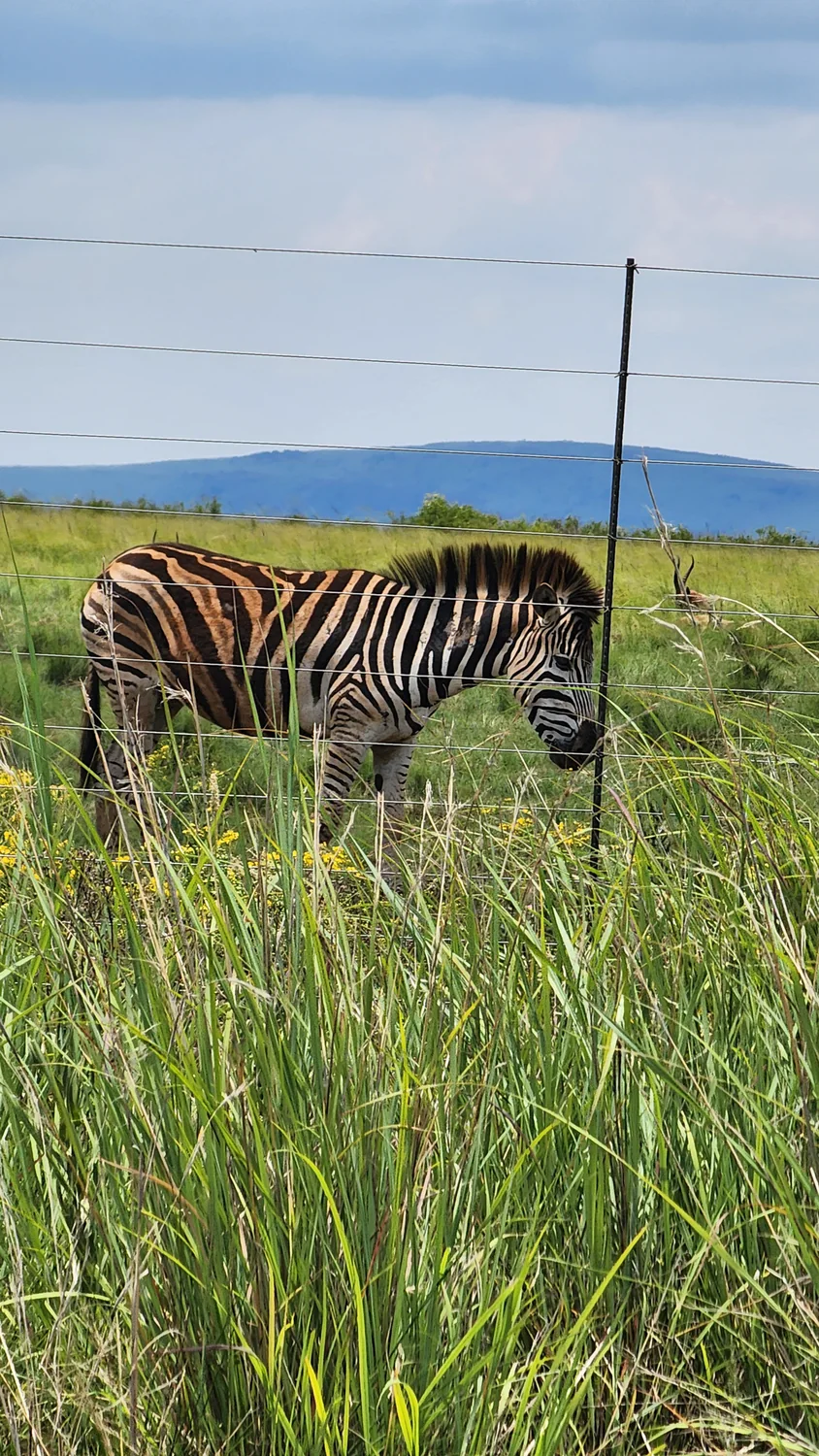
After a month inside Kruger, Mapungubwe was a complete change of pace. Kruger had been busy, wild and full of sightings. Mapungubwe was the opposite. Quieter, more remote and much slower.
We stayed just over a week, and while it's a beautiful place, it's not somewhere we'd recommend to everyone. If you arrive straight from Kruger expecting the same kind of wildlife, it can feel like you've driven into a dormant world. The game is there. You can still see giraffe, zebra, elephants and more, but it's much quieter, and Mapungubwe isn't really about chasing big sightings.
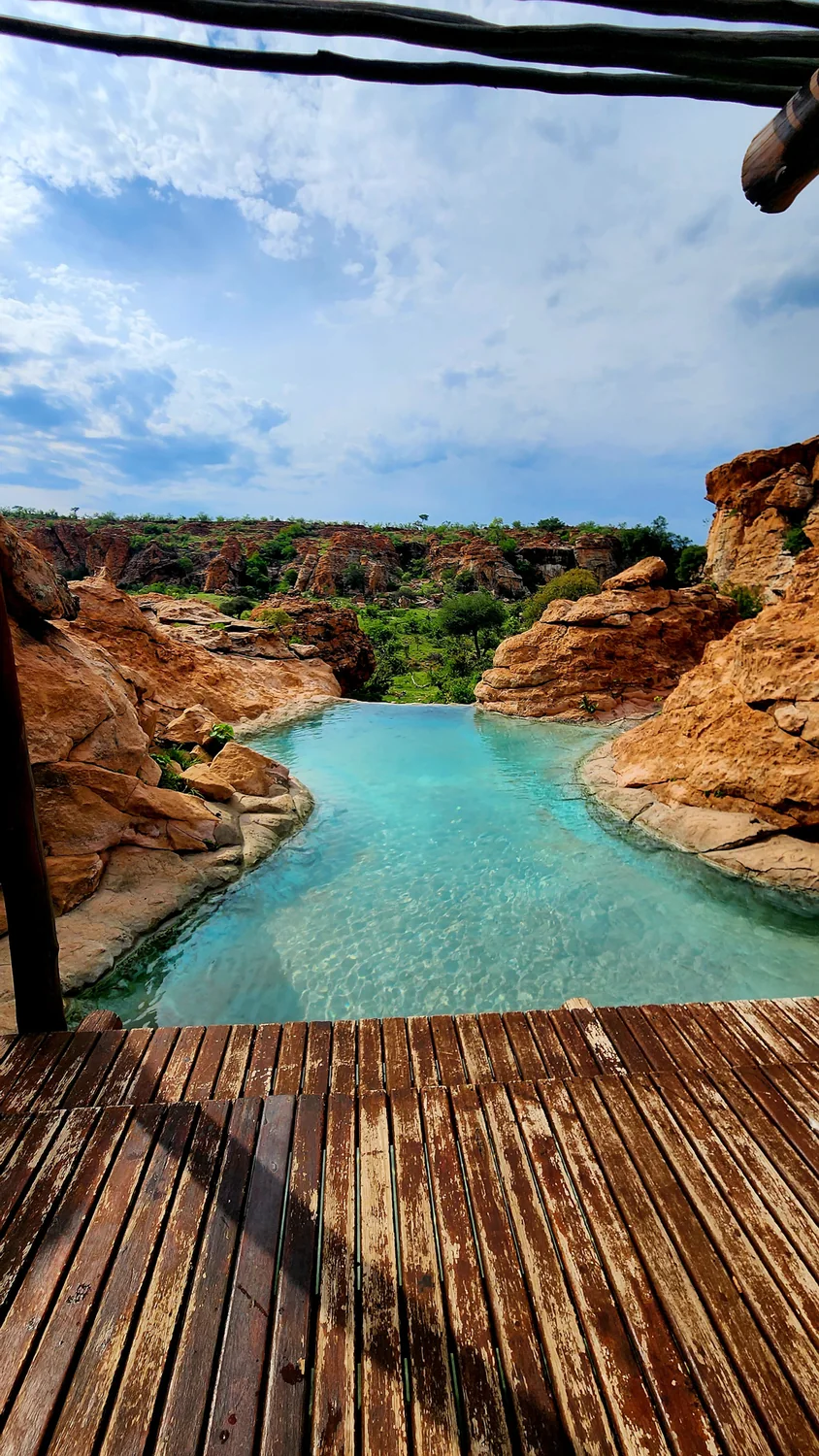
For us, it was more about scenery, birdlife, baobabs, silence and that feeling of being far away from everything.
The birding was really good, and the baobabs were incredible. Rocky outcrops, huge trees, open views and, because we were there after the rains, patches of green that made the place feel softer than we expected. The campsites were beautiful too, tucked under massive trees that helped a lot with the heat.
There were a few challenges though. Signal was basically non-existent, so we had to take leave because working just wasn't realistic. The baboons were a problem too, so everything had to be locked up properly. It's one of those places where, if you're not careful, something will get stolen or pulled apart.
We explored the viewpoints, did the treetop walk and visited the hides. For us, the hides were the best part. The elephants came right underneath us to drink, so close it felt like we could reach out and touch them. We also tried hard to find the famous Pel's fishing owl, but had no luck.
By the end of our stay, we were ready for somewhere with a bit more signal, a bit more routine, and a place to settle for December and January.
That turned out to be harder than expected.
Finding a Place for Peak Season
Long-stay camping over peak season is not easy. Most campsites would rather keep their stands for short-stay holidaymakers, because that's where the money is over December and January. For people like us, looking for somewhere affordable to stay a while, it became a bit of a nightmare.
Eventually, we found Kromklip near Lydenburg.
And Kromklip turned into one of the biggest turning points of the trip so far.
Kromklip
We liked Kromklip's position straight away. It was close enough to Kruger for our next plan, and it gave us access to the Panorama Route, which we really wanted to explore properly.
By this point, the money side of travelling was starting to get heavy.
We were still living on Warrick's half-day job, and we had eaten into a decent chunk of Chantel's savings. We weren't completely out of money, but we were choosing to live as cheaply as possible, because we had another goal in mind.
Getting back to Kruger.
Kruger had a long-stay special from mid-January to the end of March, and after the month we'd just had there, we knew we wanted to go back. So Kromklip became all about stretching the budget as far as it would go.
There were plenty of days of two-minute noodles, cup soup and whatever else we could make work. It wasn't glamorous, but it became something we could laugh about. What else can you do? You make a plan, stretch what you have, and keep your eye on what you're working towards.
We paid for the first month, then managed to work out an exchange for the second. We spoke to Tannie Aneline, and Warrick redid the photography, drone shots and some video content for the resort, covering the campsite, chalets and 4x4 course. In return, our second month was covered.
That helped massively.
It was one of the first times on the road where we really had to hustle and use our skills to make this lifestyle work. It gave us breathing room, protected the little bit of budget we had left, and made going back to Kruger feel possible again.
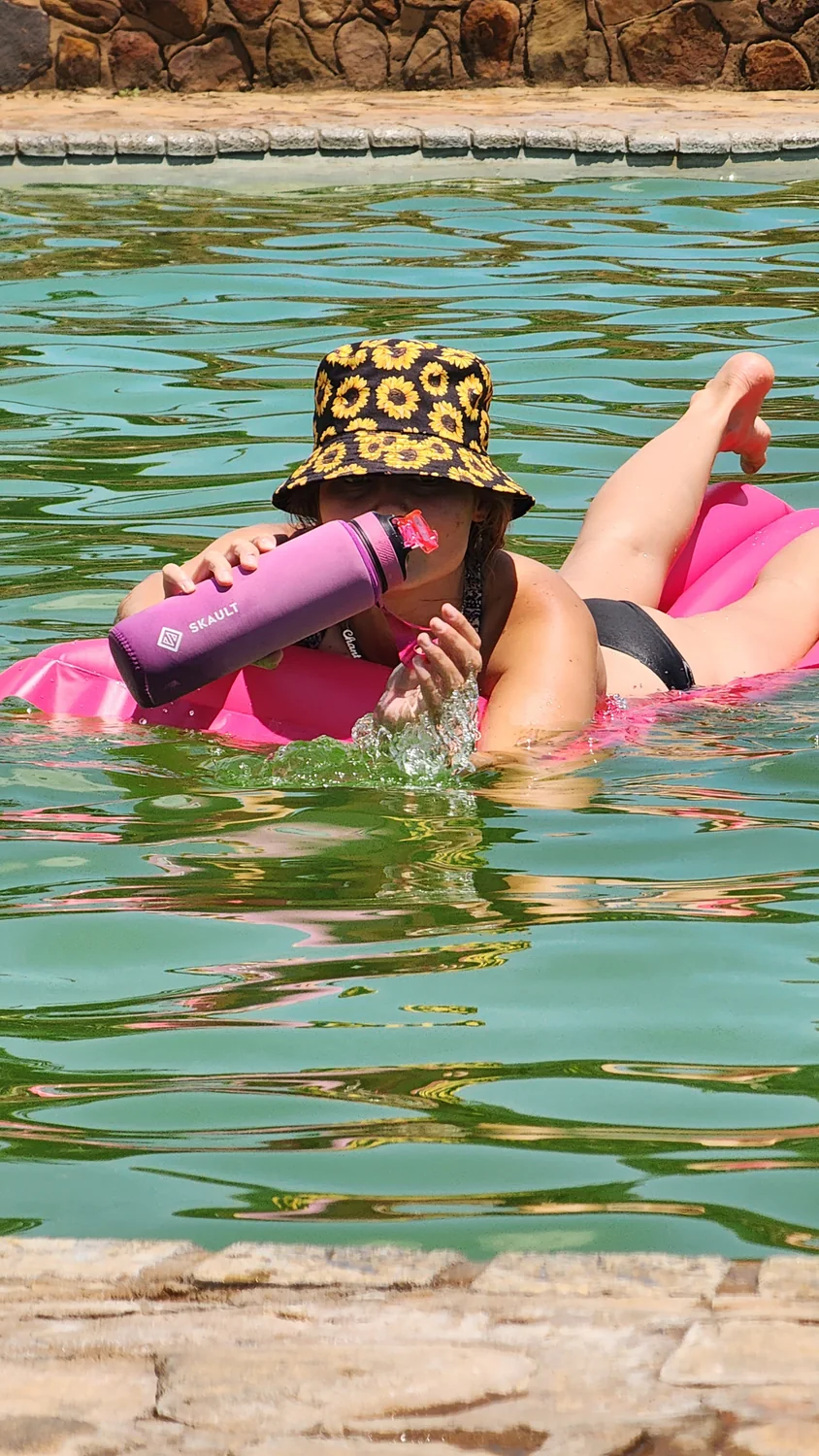
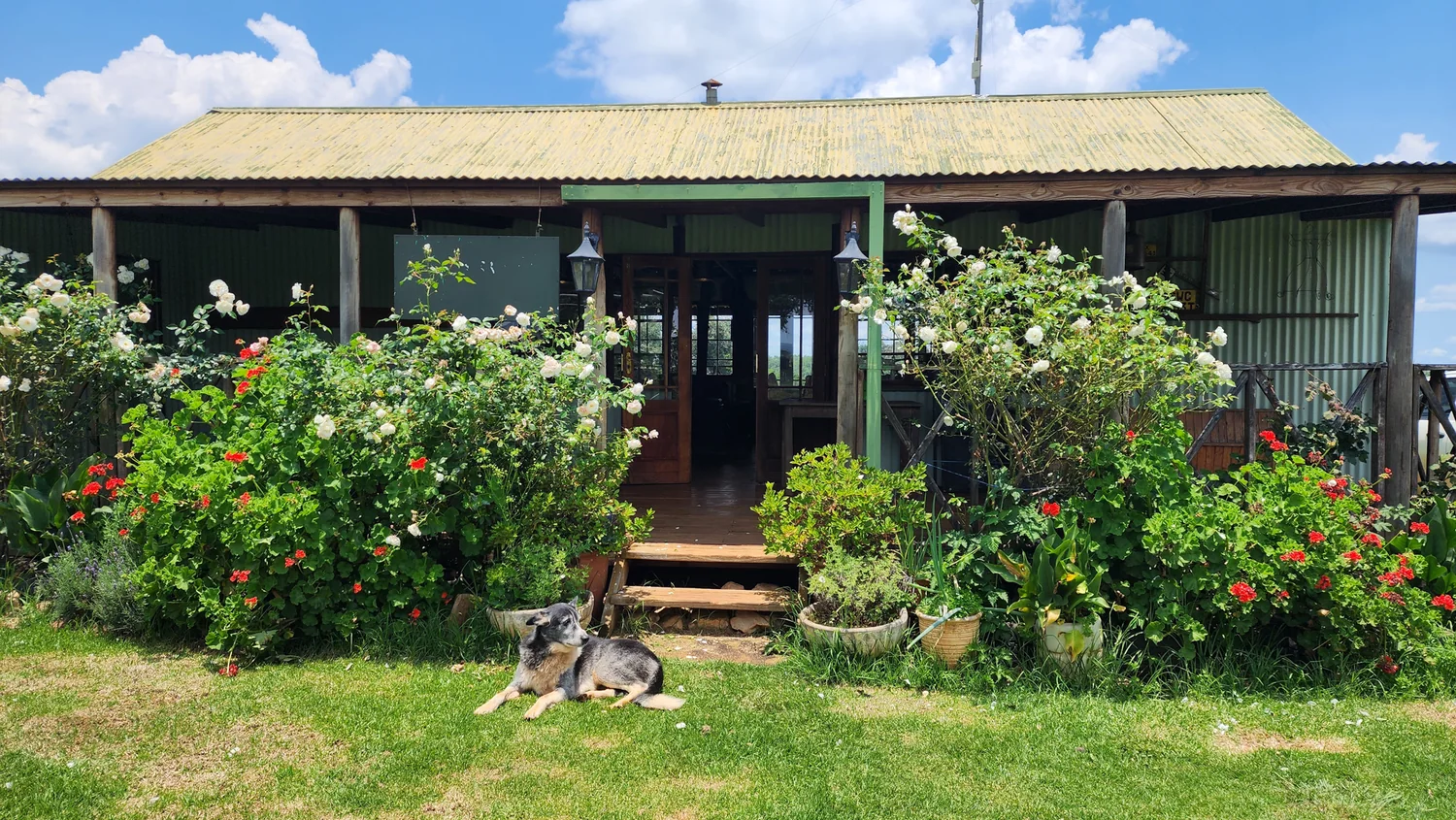
Kromklip itself had a lot going on. Camping, chalets, a swimming pool, a small restaurant, a fishing dam, a community hall, big bonfires, a 4x4 course, holiday entertainment, and that farm-style feel with cattle and a few animals around. It was busy over peak season, but in a good way. There were people around, things happening, and for the first time in a while, it felt like we had a community.
Christmas on the Road
It was also our first Christmas away from family.
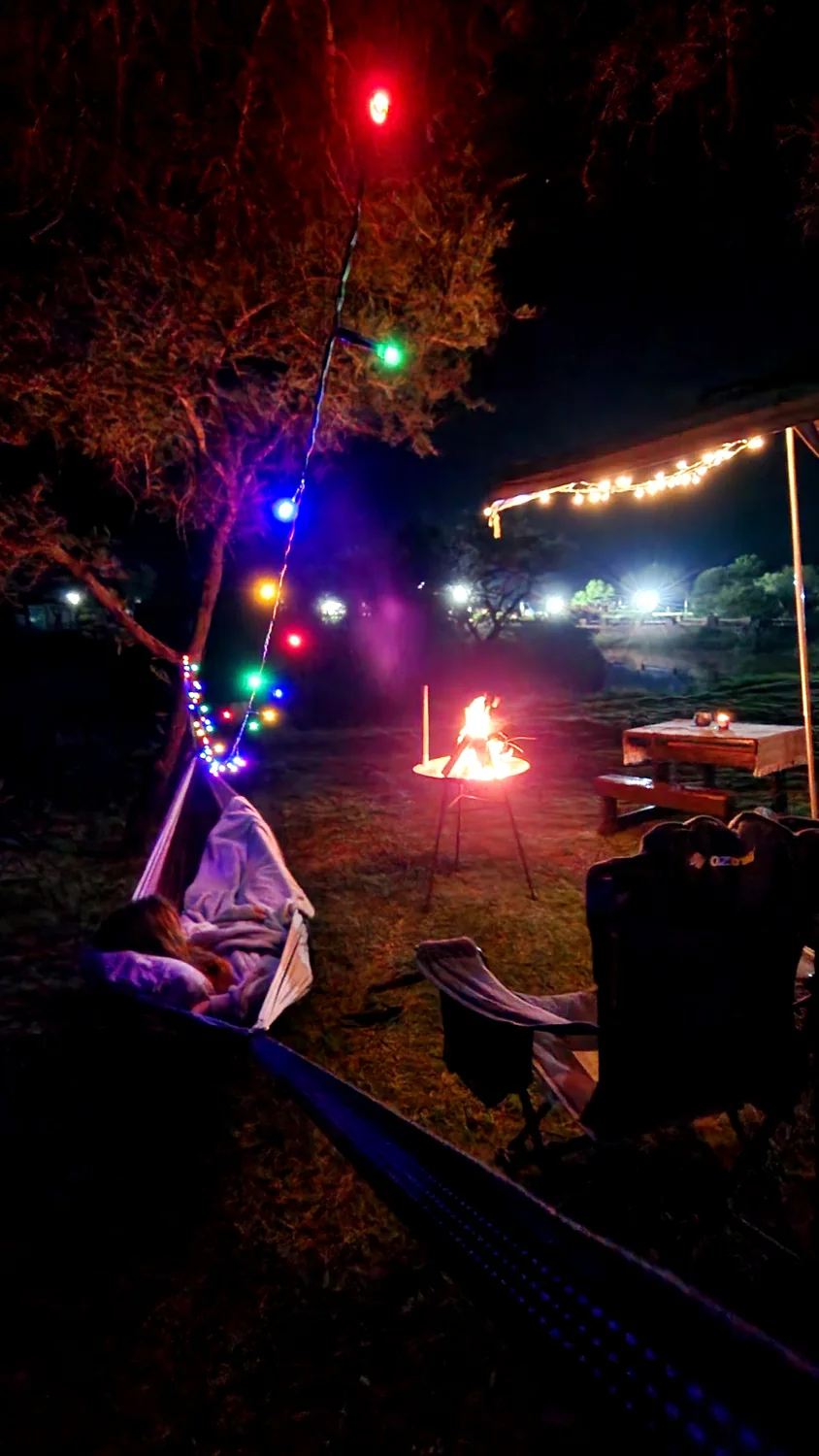
That was a strange feeling, but special in its own way. It was our first Christmas physically together, and we still made it feel like Christmas. We bought each other small gifts, our families sent a few things through, and all the long-stayers came together for a big lunch.
That's something we started to realise on long stays. You get to know people quickly, and everyone has a story. Most people living on the road long term either had something happen that pushed them to go, or they simply reached a point where they knew they had to do something different.
And almost everyone we met had no regrets.
New Year's was really nice too. Music, drinks, big bonfires and a proper holiday atmosphere. Nothing fancy, but it was fun, and after the few months we'd had, it felt good to be part of something.
Our days there became simple. Work, swim, eat cheap meals, chat to people, play soccer with Rikus, explore when we could and spend time around camp. Sometimes we'd head out with others and vehicle-share, which saved on costs and made exploring more fun.
The People Who Made It
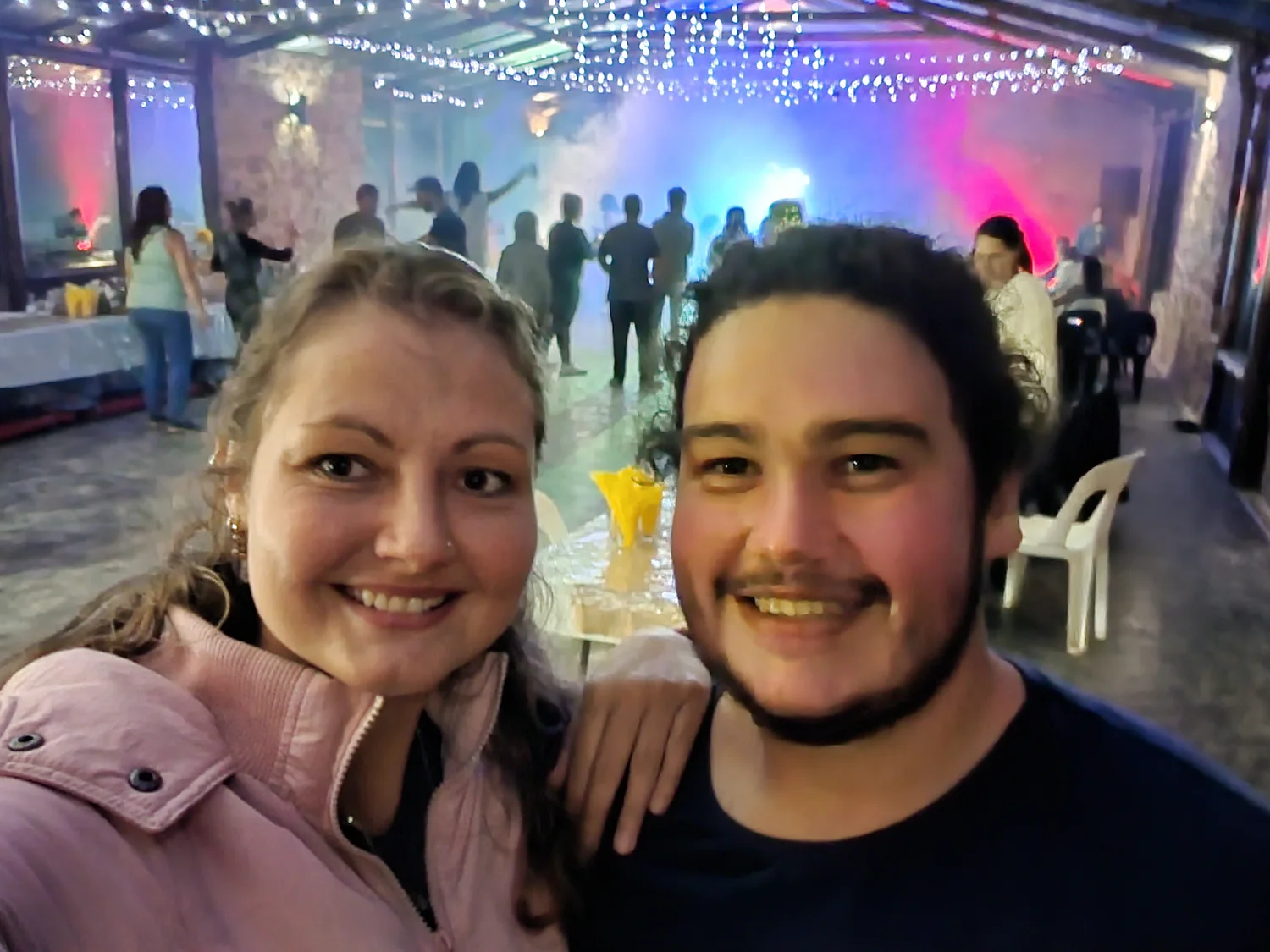
This was where we met Hugo, Adri and Rikus, and they ended up having a big impact on us during this part of the trip.
Apart from Daniel and Kobie, they were one of the first younger long-stay families we'd met living this kind of lifestyle. They had been camping and travelling for a while, Rikus was homeschooled, and it was just so nice to meet people who understood what we were trying to do.
Adri also helped us in a way we really needed. Her boss was looking for a few extra people, and she helped open that door for us. Warrick was still fairly new in marketing compared to where he wanted to be, but he was able to help with Facebook ads and some extra work. At that stage, every bit of extra income made a huge difference.
We also became friends with Kobus. Then, to our surprise, Daniel and Kobie from D&K Travel randomly pitched up at the same campsite with their dog, Winston. We hadn't seen them since Die Mas, so having familiar faces appear out of nowhere was really cool. Chantel and Kobie had already started becoming good friends, and this time together only grew that friendship.
That was probably the best part of Kromklip. It gave us people. Not quick chats with someone packing up the next morning, but people we saw every day, sat with, talked to and actually got to know.
The Panorama Route
Kromklip's position meant we could explore the Panorama Route properly, and we made the most of it.
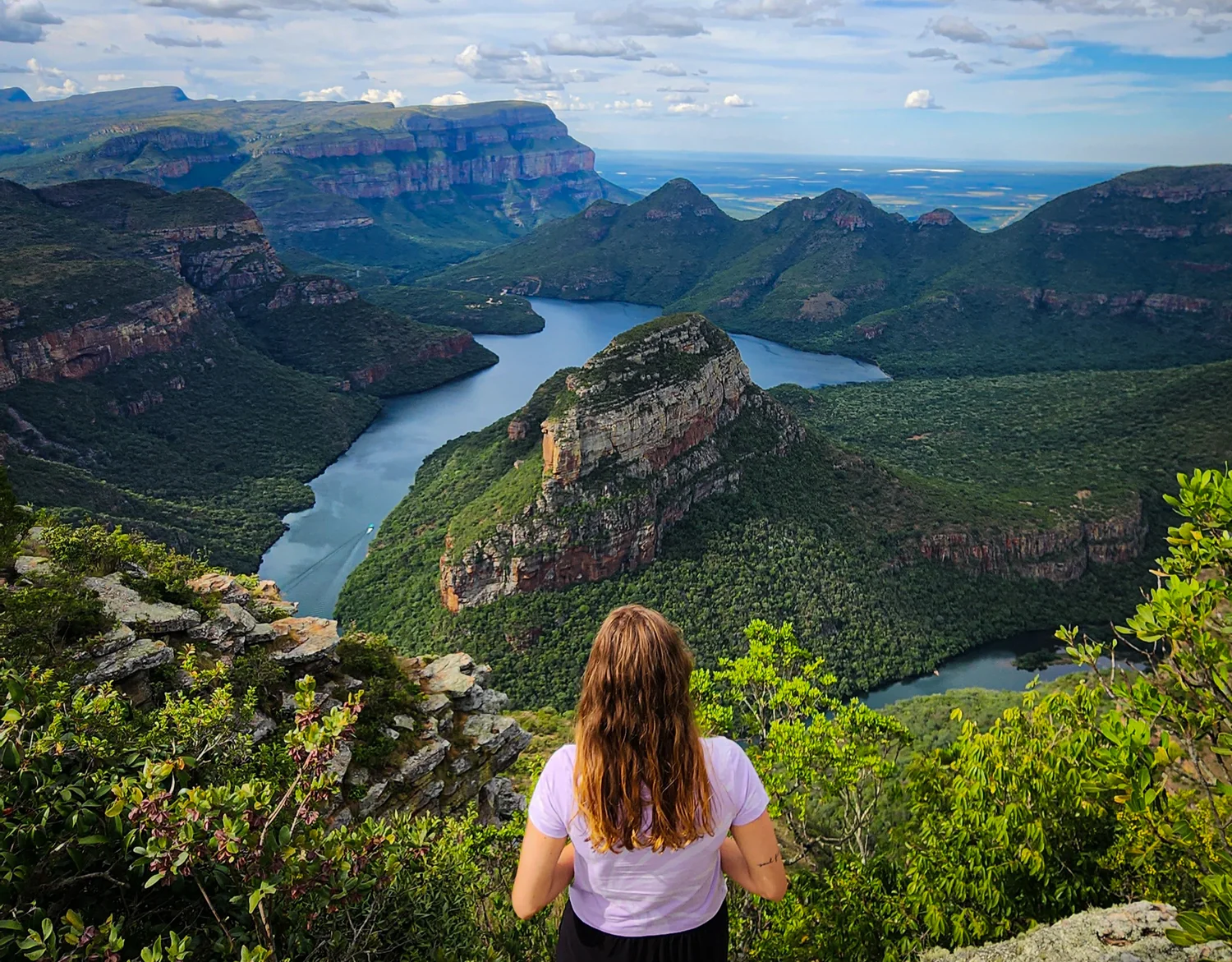
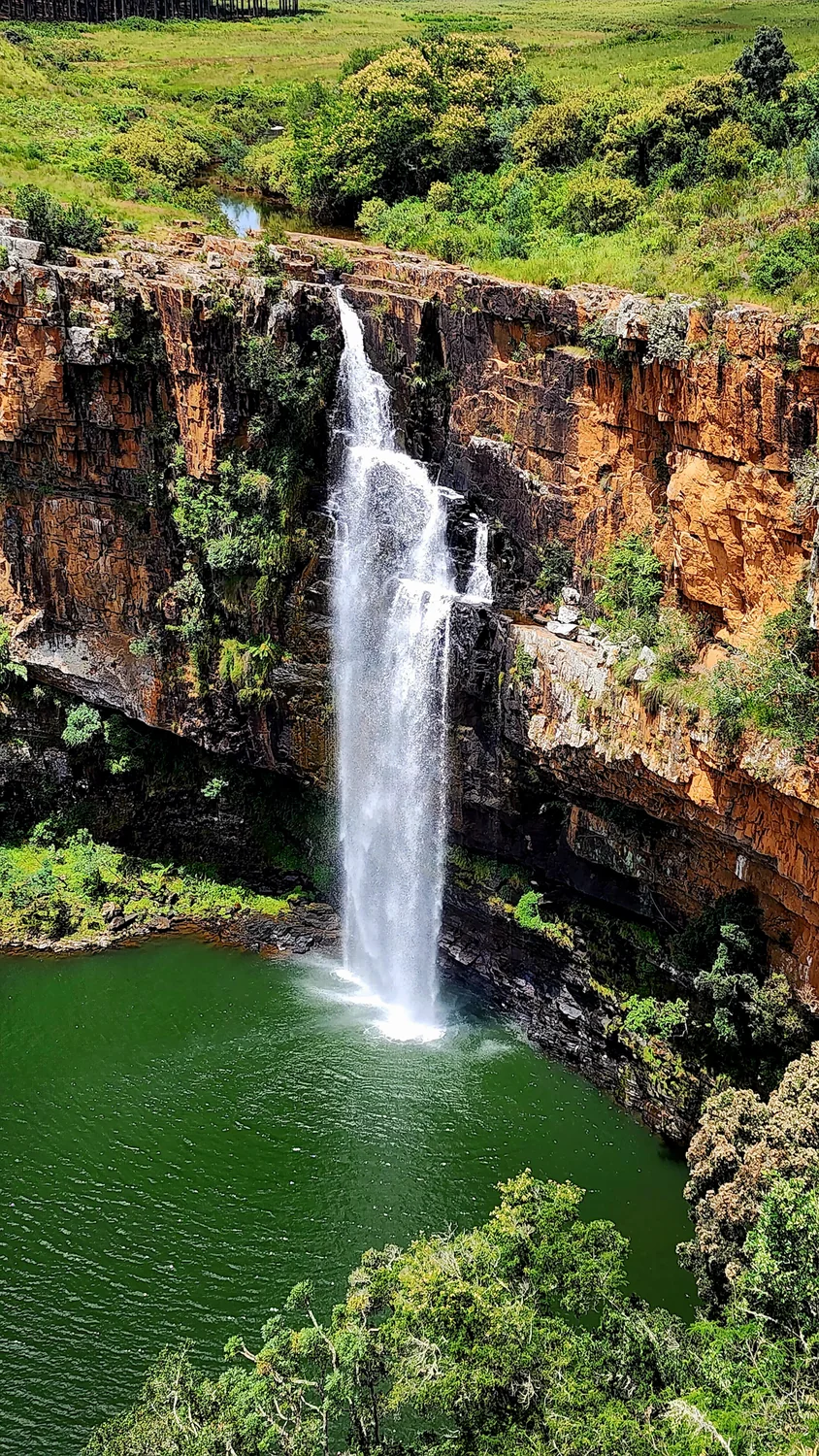
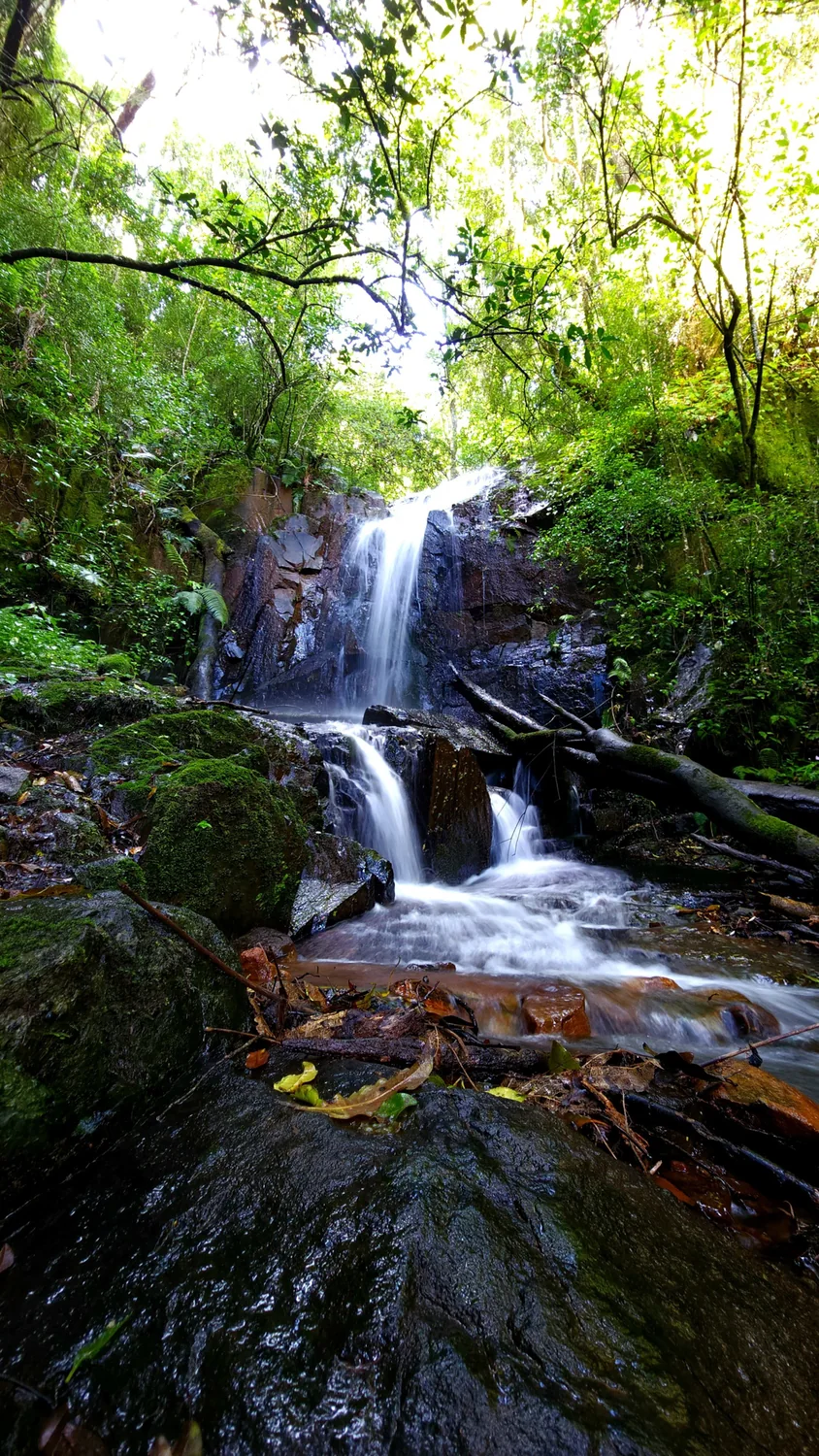
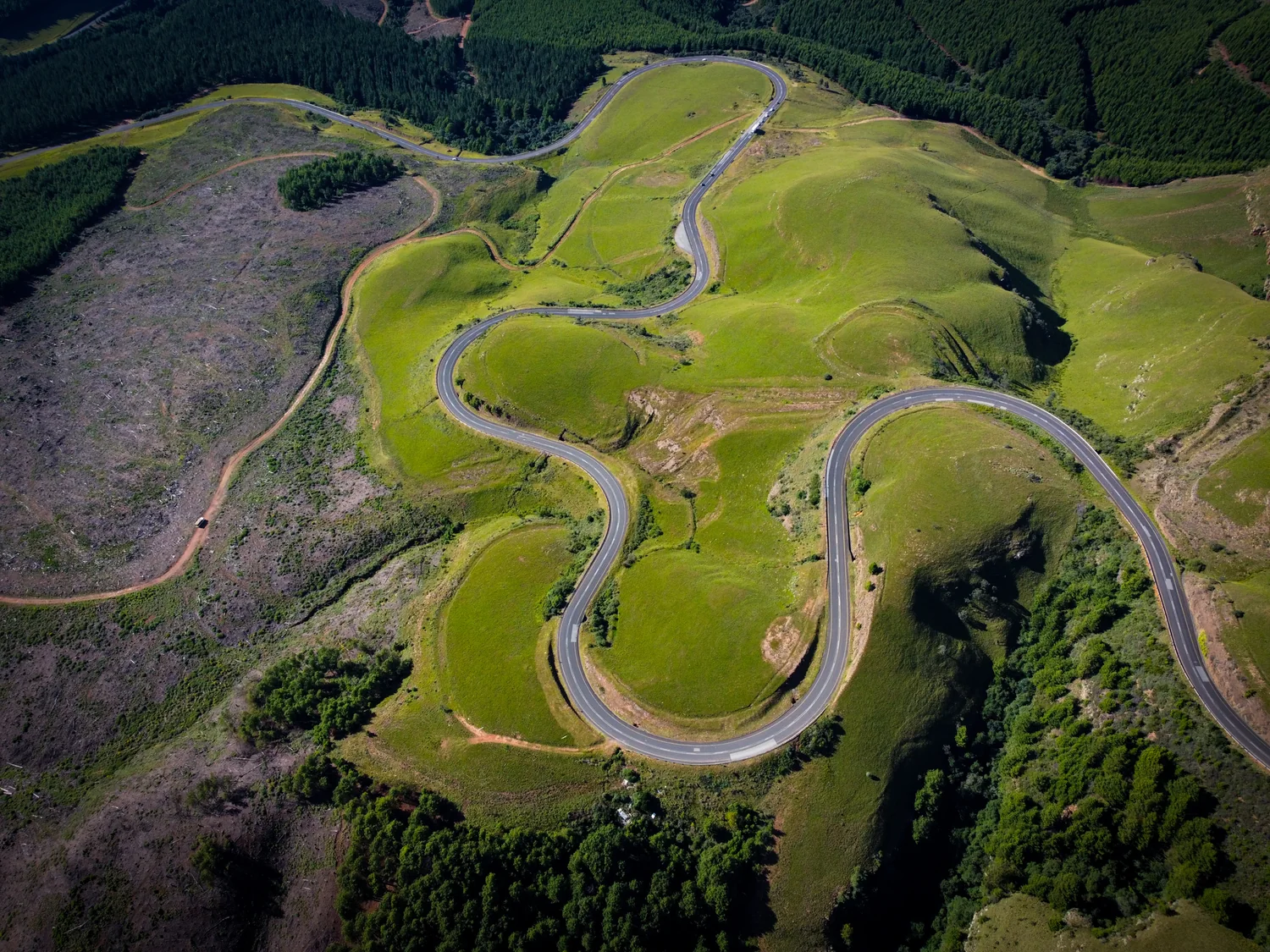
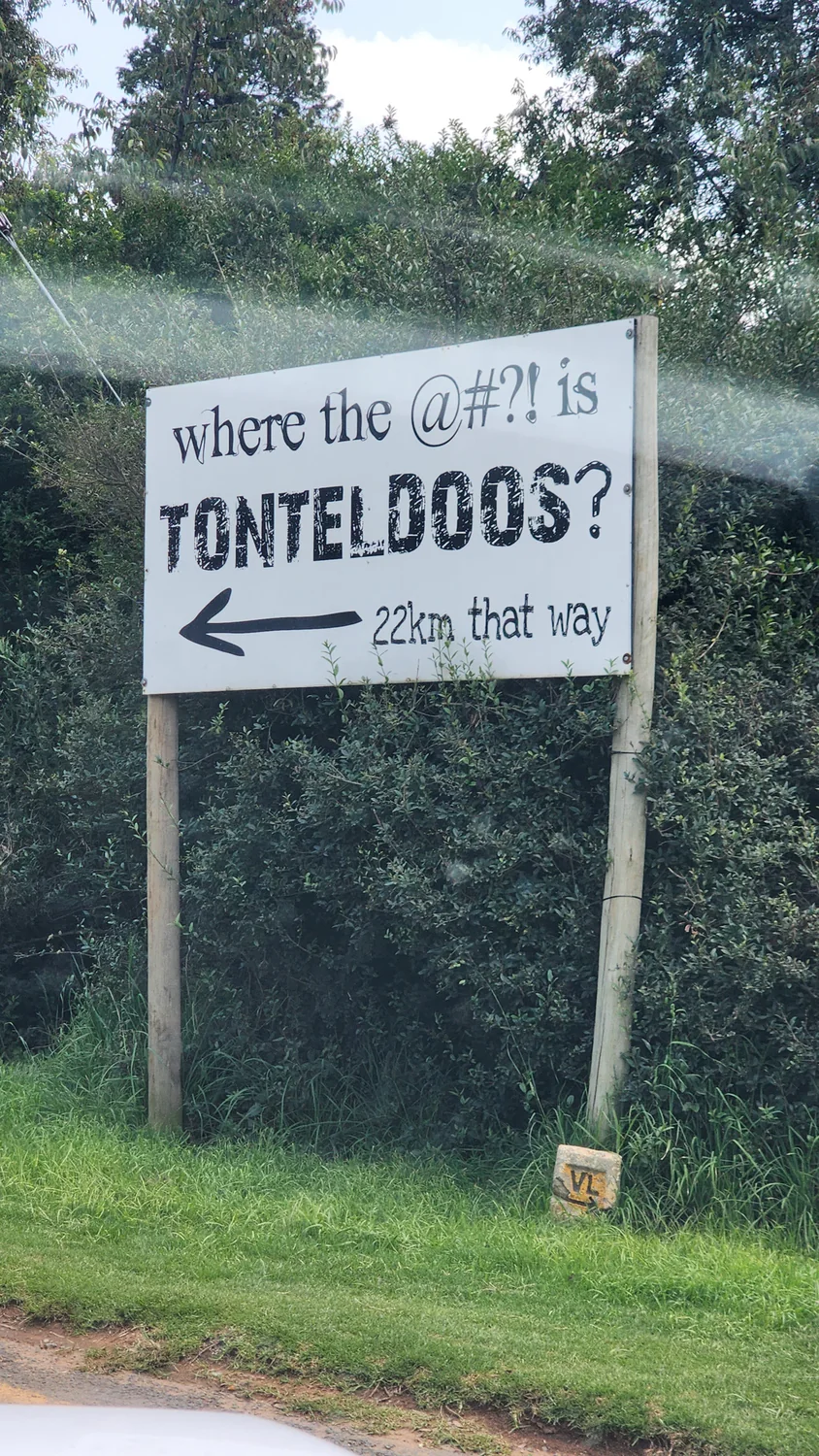
We visited Lisbon Falls, Berlin Falls, Mac Mac Falls, Lone Creek Falls, Cascade Falls, Misty Mountain, Long Tom Pass, Robbers Pass, Blyde River Canyon, Graskop, the Three Rondavels, God's Window, Bourke's Luck Potholes, Pinnacle Rock, the Graskop Gorge Lift, Pilgrim's Rest and Tonteldoos.
That's a lot to take in, but two places stood out.
The Graskop Gorge Lift was probably our favourite. It's a completely different experience, dropping down into the forest and seeing the gorge from below. Blyde River Canyon was one of those proper wow places. Big views, dramatic cliffs, massive landscapes and that feeling of standing somewhere that reminds you how much there is to see in South Africa.
Those day trips helped a lot. Kromklip was our base, but the Panorama Route gave us the exploring we needed while we kept costs down and saved for Kruger.
And through all of it, Kruger was sitting in the back of our minds.
Back to Kruger
Eventually, it was time to go back.
We had stretched the budget, picked up some extra work, made it through December and January, and kept the Kruger goal alive. Going back felt like a reward for pushing through a tough financial patch.
We had booked 41 days, and we were ready for another proper long stay. After our first month there, we knew how much the park meant to us, and we couldn't wait to settle back into that rhythm.
But this time, things went very differently.
We only made it 14 days into our 41-day booking before the rain hit properly.
2am at Berg-en-Dal
We were at Berg-en-Dal when things got serious. The rain had been pouring down, and at around 2am, Warrick woke Chantel up. Water was starting to come through near the fence by our campsite.
It was one of those moments where you know you can't wait and see what happens.
We had to move.
So at 2am, in the pouring rain, we started packing up the caravan. Everything was wet, the caravan was leaking, and it was chaos. We managed to tow it to higher ground inside the camp and slept there for the rest of the night. But by morning, we knew we had a decision to make.
The floods were causing serious problems across Kruger. Roads were closed, movement was limited, camps were affected, and it felt like everything was unravelling around us. After everything it had taken to get back there, it was hard to accept we might have to leave.
But that's the thing about travelling. You can plan everything properly and still have something completely out of your control change it all.
The caravan was leaking badly. Roads were closed. We couldn't get around the way we'd planned. The rain wasn't letting up. And after everything we'd already been carrying, financially and emotionally, the floods felt like the final hit.
So we packed up and left.
We drove from Kruger all the way back to Warrick's dad's house in Port Shepstone. In one day.
It wasn't how we wanted that chapter to end.
Thankfully, we managed to get credit for the rest of our Kruger stay, so there was still a chance we could go back one day. But in that moment, driving home after the floods, it didn't feel like a neat pause. It felt uncertain.
We were exhausted. Grateful for what we had done, grateful for the people we had met, grateful that we were safe. But also properly defeated.
The road had given us a lot over those few months. Mapungubwe gave us quiet beauty. Kromklip gave us friends, work, community and a way to keep going. The Panorama Route reminded us how much there was still to see. And Kruger pulled us back in.
Then the rain sent us home.
We didn't know what was next. We didn't know if this was just a break, or if the travelling was coming to an end.
All we knew was that we were heading back to the South Coast. Tired, wet, broke, grateful, and unsure of what would happen from there.